
Ultrasonic Heat Meters
Ultrasonic heat meters are highly accurate and technologically advanced devices used to measure the amount of heat energy consumed in heating systems. They use ultrasonic technology to measure the flow of heat energy, providing real-time data that can be used for billing, monitoring, and reporting purposes.
At Micronics, we are a leading supplier of ultrasonic heat meters, including clamp-on ultrasonic heat meters. Our heat meters are designed to be reliable, accurate, and easy to use, making them an ideal solution for heating system operators of all sizes.
Showing all 4 results
-
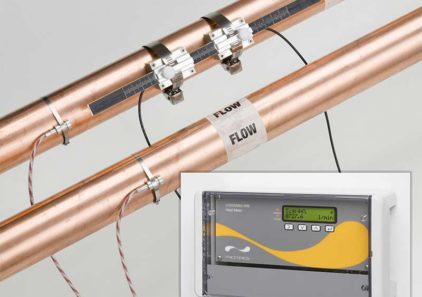
U1000MKII-HM-WM Clamp-on Heat/Energy Meter with Wall Mounted Keypad & Display
Read more -
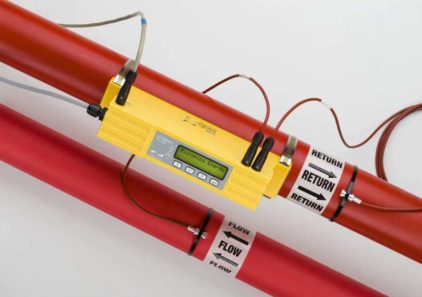
Ultraflo U1000MKII-HM Clamp-on Heat Meter/Energy Meter
Read more -
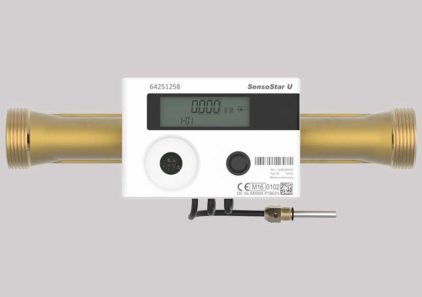
SensoStar U Ultrasonic Inline Heat Meter
Read more -
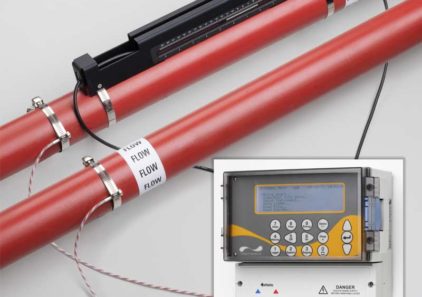
New UF3300 Fixed Clamp-on, Heat/Energy, Flow and Process Measurement Meter
Read more
One of the key benefits of our clamp-on ultrasonic heat meters is their non-intrusive design. Unlike traditional mechanical heat meters that require the installation of a meter in the flow of heat energy, clamp-on ultrasonic heat meters can be installed without disrupting the flow of heat energy through the system. This can reduce the risk of breakdowns and the need for repairs, as well as making installation quicker and easier.
Another benefit of our clamp-on ultrasonic heat meters is their ability to provide real-time data. This information can be accessed remotely, allowing heating system operators to monitor energy usage in real-time, without the need for manual readings. This can help to identify areas where energy efficiency can be improved and can provide valuable data for billing and reporting purposes.
At Micronics, we understand the importance of accuracy and reliability in heat meters. Our clamp-on ultrasonic heat meters are designed to provide highly accurate readings, even in challenging conditions, making them an ideal solution for district heating systems and commercial and industrial applications where energy usage is significant.
High accuracy and long lifespan can offset upfront costs over time, making them a cost-effective solution for many heating system operators.
What are the advantages of Ultrasonic heat meters
Ultrasonic heat meters have several advantages over traditional mechanical heat meters, including:
- High accuracy: Ultrasonic heat meters are highly accurate and provide reliable measurements, even in challenging conditions.
- Non-intrusive design: They use non-intrusive ultrasonic technology to measure heat energy flow, eliminating the need for moving parts and reducing the risk of breakdowns.
- Real-time data: Ultrasonic heat meters can provide real-time data that can be accessed remotely, allowing heating system operators to monitor energy usage in real-time.
- Easy installation and maintenance: They are compact and lightweight, making them easy to install and maintain, and reducing the risk of breakdowns.
- Cost-effective: Although they may have a higher upfront cost than traditional mechanical heat meters, their high accuracy and long lifespan can offset these costs over time.
Ultrasonic Heat Meter FAQs
Answers to common questions about ultrasonic heat meters, including how they work, their advantages, and how to choose the right solution for energy monitoring or billing.
What is an ultrasonic heat meter?
An ultrasonic heat meter measures thermal energy consumption by combining flow measurement with temperature readings from the supply and return pipes. It uses ultrasonic technology to calculate flow rate and determine the total heat energy used within a system.
How do ultrasonic heat meters work?
Ultrasonic heat meters use transducers to send sound waves through a fluid. By measuring the time it takes for these signals to travel, the meter calculates flow rate. Combined with temperature sensors, this data is used to determine the total energy transferred within the system.
What are the advantages of ultrasonic heat meters?
Ultrasonic heat meters offer high accuracy, no moving parts, and long-term reliability. Their non-intrusive design reduces wear and maintenance requirements, while providing consistent performance in both heating and cooling applications.
Can ultrasonic heat meters be used for billing?
Yes, ultrasonic heat meters can be used for billing applications when they meet the required certification standards. Inline ultrasonic meters are typically used for fiscal billing, while clamp-on versions are more commonly used for monitoring and energy management.
What is the difference between clamp-on and inline ultrasonic heat meters?
Clamp-on ultrasonic heat meters are installed externally and do not require pipe modification, making them ideal for retrofits and temporary installations. Inline meters are installed directly into the pipe and are typically used where certified billing accuracy is required.
Where are ultrasonic heat meters typically used?
Ultrasonic heat meters are widely used in commercial buildings, district heating systems, and industrial applications. They are commonly applied in HVAC systems to monitor heating and cooling performance, improve energy efficiency, and support reporting requirements.
