
Open Channel Flow Measurement
Portable instruments and fixed meter products for a wide range of Open Channel Flow measurement applications.
Showing all 3 results
-
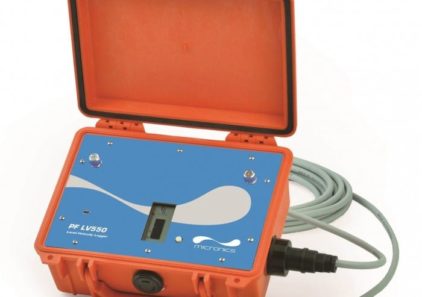
PF LV550 Portable Area/Velocity Meter
Read more -
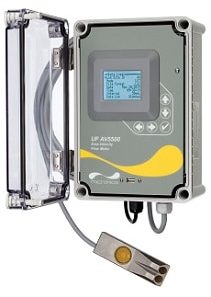
New: UF AV5500 Area-Velocity Flow Meter
Read more -
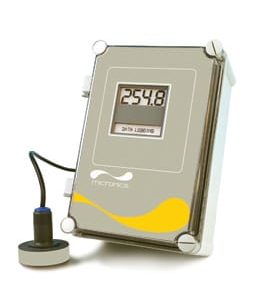
UF OC5000 Open Channel Flow Meter
Read more
Open Channel Flow Meter FAQs
Answers to common questions about open channel flow meters, including how they work, where they are used, and how to choose the right solution for your application.
What is an open channel flow meter?
An open channel flow meter measures the flow of liquids that are not contained within a full pipe, such as in flumes, weirs, drainage systems, or partially filled pipes. It typically calculates flow based on the level or depth of the liquid.
How do open channel flow meters work?
Most open channel flow meters measure the level of the liquid using ultrasonic sensors. This level is then used, along with channel geometry or calibration data, to calculate the flow rate and total volume.
What is the difference between flume/weir measurement and area-velocity measurement?
Flume and weir systems use a known channel shape to calculate flow based on liquid level. Area-velocity meters measure both the level and the velocity of the fluid, allowing flow to be calculated without the need for a flume or weir, making them suitable for irregular or existing channels.
Where are open channel flow meters typically used?
They are commonly used in wastewater treatment plants, industrial discharge systems, stormwater monitoring, and environmental applications such as rivers and irrigation channels. They are ideal where liquids flow in open or partially filled systems.
Do open channel flow meters require contact with the liquid?
Not always. Many systems use non-contact ultrasonic sensors mounted above the flow, while others use submerged sensors to measure both level and velocity. The choice depends on the application and conditions.
What challenges affect open channel flow measurement?
Open channel measurement can be affected by changing flow conditions, debris, turbulence, and irregular channel shapes. Selecting the right technology, such as area-velocity measurement for complex conditions, helps ensure accurate and reliable results.